
How to Remove Swirl Marks from Car Paint | Exppress Car Wash
Updated At : October 22, 2026
How to Remove Swirl Marks from Car Paint
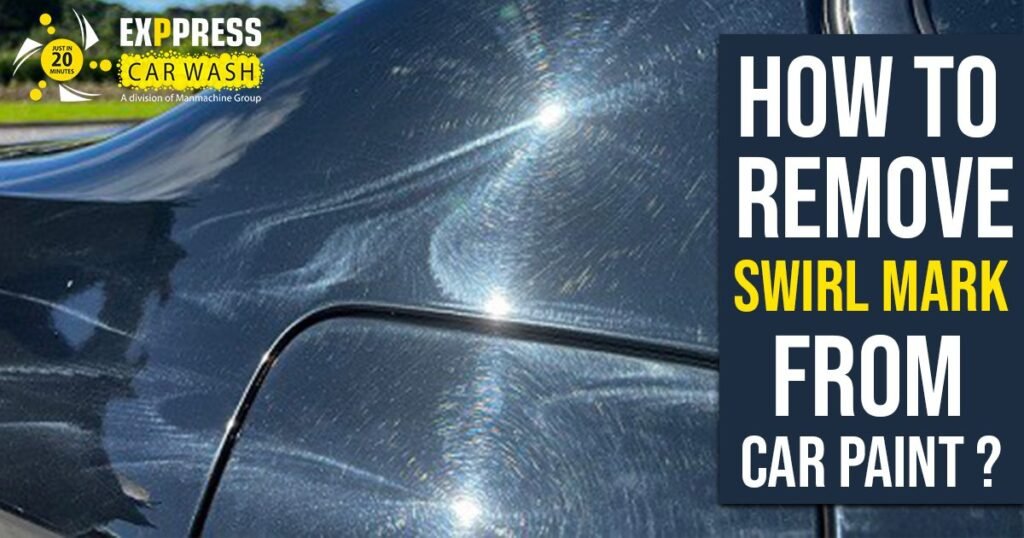
One of the most common issues car owners face is swirl marks on the paint. Swirl marks are tiny scratches in the clear coat that can make your car look dull and less glossy, especially under direct sunlight.
These scratches are often caused by improper washing techniques, such as using a dirty sponge or towel, rubbing dust across the surface, or using unsuitable cleaning products.
Fortunately, light swirl marks can often be reduced or removed through proper car polishing. However, the results depend on the depth of the scratches and the condition of the paint.
How do you remove swirl marks from car paint? Start by washing the vehicle properly and removing bonded contaminants if necessary. Light swirl marks can then be corrected using a suitable automotive polish. After polishing, apply wax or paint sealant to help protect the finish.
In this blog, we will share some practical tips on how to remove swirl marks from car paint and prevent them from appearing again.
1. Wash Your Car Properly
The first step in preparing your car for swirl mark removal is to wash it properly.
It’s important to use a high-quality car wash shampoo and a clean microfiber wash mitt.
Avoid using a sponge or towel that has been used on other surfaces, as it can collect dirt and debris that may scratch your car’s paint.
Use clean water to rinse your wash mitt frequently and prevent dirt from being transferred back onto the surface.
A two-bucket washing method can also help reduce the risk of scratches by keeping the shampoo solution separate from the water used to rinse the mitt.
Remember that washing removes dirt and grime, but it does not remove existing swirl marks. Proper cleaning prepares the paint for the next stages of detailing.
2. Clay Bar Treatment
After washing your car, it’s a good idea to check whether any bonded contaminants remain on the paint.
A clay bar is a detailing product used to remove contaminants such as industrial fallout, stubborn surface deposits, and other particles that regular washing may not remove.
Clay treatment helps make the painted surface smoother and prepares it for polishing.
It should only be performed when necessary, using a compatible clay lubricant and appropriate technique.
Improper use can introduce additional surface marks, particularly on delicate paint.
A clay bar does not remove existing swirl marks. Its purpose is to remove bonded contamination before paint correction.
For cars with heavy contamination or sensitive paintwork, professional detailing may be the safer option.
3. Polishing to Remove Swirl Marks
Once your car has been washed and decontaminated, the next step is polishing the paint.
Polishing is one of the most effective methods for reducing light swirl marks and improving paint clarity.
It involves using a suitable automotive polish or polishing compound to correct fine defects in the clear coat.
The polishing process removes a very thin amount of clear coat, helping level minor scratches so that light reflects more evenly from the surface.
When choosing a polishing compound, select one that is compatible with the paint type, condition, and level of correction required.
Different products are available for light polishing, swirl mark removal, and more intensive paint correction.
Professional detailers may use a dual-action or rotary polishing machine with a suitable polishing pad.
However, incorrect machine polishing, unsuitable compounds, or excessive correction can damage the clear coat.
For this reason, machine polishing is best handled by trained professionals when the paint condition or required correction is uncertain.
Exppress Car Wash offers professional car polishing and paint correction services to help reduce light scratches, swirl marks, and dullness.
Deep scratches that extend beyond the clear coat cannot always be corrected through polishing alone.
4. Waxing After Polishing
After polishing, it’s important to protect the car’s paint with a suitable layer of wax or another compatible paint protection product.
Waxing helps improve surface gloss and adds a protective layer against certain environmental contaminants.
It can also make regular cleaning easier by reducing how strongly dirt and water adhere to the painted surface.
There are different types of car waxes available, including liquid waxes, paste waxes, and spray waxes.
Choose a wax that is compatible with your car’s finish and follow the manufacturer’s application instructions.
However, waxing does not permanently remove swirl marks.
Some waxes may temporarily reduce their visibility, but actual correction requires appropriate polishing.
5. Use a Paint Sealant
In addition to traditional waxing, you can also use a paint sealant to provide surface protection.
Paint sealants are usually synthetic products that form a protective layer over the vehicle’s paint, helping repel water, dirt, and environmental contaminants.
Like waxes, paint sealants are available in different formulations, including liquid and spray products.
Depending on the product, a sealant may offer longer-lasting protection than a conventional wax.
Choose a product that is compatible with your car’s paint and any existing protective treatment.
You do not always need to apply both wax and sealant. The appropriate protection depends on the product and the results you want.
For longer-term protection, car owners can also consider ceramic coating after suitable paint preparation.
However, neither wax nor sealant prevents all future scratches or swirl marks.
6. Avoid Using Abrasive Products and Poor Washing Techniques
When washing and detailing your car, it’s important to avoid products and tools that can scratch the paint.
This includes rough brushes, dirty towels, unsuitable sponges, and harsh cleaning products.
Instead, use clean microfiber towels and soft wash mitts designed for automotive cleaning.
Avoid rubbing dry dust across the paint, as trapped particles can create additional swirl marks.
Use suitable car wash shampoo and rinse the vehicle thoroughly before contact washing.
Keep separate cleaning towels and brushes for wheels, body panels, and other areas to avoid transferring abrasive dirt.
Also remember that polishing compounds are intentionally abrasive and should only be used when paint correction is necessary.
Regular maintenance using proper washing and drying methods can help reduce the chances of new swirl marks forming.
Frequently Asked Questions About Swirl Marks
1. Can swirl marks be completely removed from car paint?
Light swirl marks in the clear coat can often be removed or significantly reduced through professional polishing. However, deeper scratches may not be safely removable. The results depend on the paint condition, scratch depth, and available clear coat.
2. Can car wax remove swirl marks?
Car wax does not permanently remove swirl marks. Some waxes may temporarily hide fine marks, but polishing is generally required to correct defects in the clear coat. Waxing is mainly used for gloss and surface protection after correction.
3. Does a clay bar remove swirl marks?
No. A clay bar removes bonded surface contaminants, not scratches within the clear coat. It helps prepare the paint for polishing, but improper clay treatment can create additional surface marks.
4. Why are swirl marks more visible on black cars?
Swirl marks are often more noticeable on black and other dark-coloured cars because fine scratches reflect light against the darker paint finish. Regular washing with clean microfiber tools can help reduce the risk of additional swirl marks.
5. How can I prevent swirl marks after polishing?
Use a suitable car shampoo, clean microfiber wash mitts, gentle washing methods, and soft drying towels. Avoid rubbing dry dirt across the paint, maintain your protective wax or sealant, and clean your washing tools regularly.
Conclusion
Removing swirl marks from car paint is possible in many cases, especially when the marks are light and limited to the clear coat.
Proper washing, clay treatment when needed, polishing, and protective waxing all play important roles in maintaining a clean and glossy finish.
However, washing and claying prepare the surface, while polishing is the main process used to correct swirl marks. Wax and paint sealants help protect the finish afterward.
If you don’t have the experience or suitable equipment to remove swirl marks from your car’s paint, consider professional detailing services.
At Exppress Car Wash, our car polishing services focus on correcting suitable paint defects, improving gloss, and maintaining the appearance of your vehicle.
Explore our car polishing and rubbing services or visit the Exppress Car Wash website to learn more about professional vehicle care.